Plastic Resin Procurement Checklist: Quality, Logistics and Support
What should you check before buying plastic resin?
Confirm the exact producer and grade, processing method, current technical data, end-use requirements, lot traceability, total delivered cost and agreed delivery terms before placing an order. Approve an alternative only after a documented technical review and production trial. A low price or a supplier's management-system certificate alone does not demonstrate that a resin suits your application.
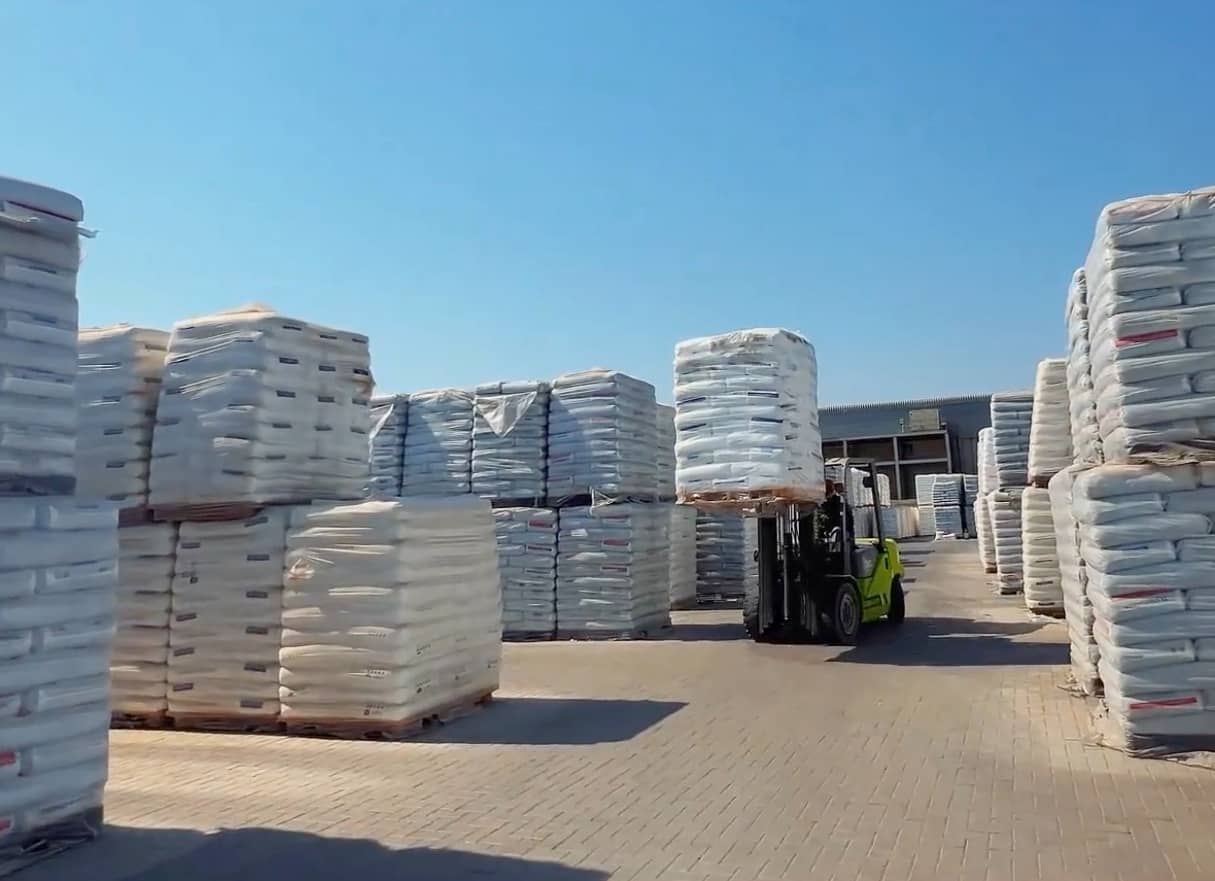
What belongs in a purchase-ready enquiry?
- Material: producer, exact grade and acceptable alternatives.
- Application: process, target properties and required approvals.
- Documentation: TDS, lot evidence and relevant declarations.
- Delivery: quantity, destination, packaging and required date.
- Commercial terms: delivered-cost basis, payment terms and responsible parties.
Compare the evidence, not just the quotation
| Evidence | What it helps you check | What it does not establish by itself |
|---|---|---|
| Grade-specific TDS | Typical properties, test conditions and intended process | Actual results for the delivered batch or finished-product approval |
| Batch certificate of analysis | Reported lot results against listed tests | Performance on your equipment |
| Safety data sheet | Handling and hazard information | Food-contact suitability or processing performance |
| End-use declaration | Stated application, conditions and market coverage | Suitability outside the declared conditions |
| Supplier management-system certificate | Named entity, audited scope and validity dates | Certification of every product or branch |
| GRS scope and transaction documents | Certified scope and evidence covering an eligible shipment | A blanket recycled-content claim for all deliveries |
Our certificate register links the actual documents by legal entity. For example, the Multi Trade Limited (FZC) GRS certificate explicitly requires transaction-level evidence for delivered goods. Check this distinction before making a certified-material claim.
Compare the PE options, PP and HDPE or PVC selection criteria, then review our product portfolio, request the grade's TDS and contact the UAE office or your local team.
Successful procurement coordinates purchasing, production, quality, finance and logistics. Compare total delivered value, not only unit price: unsuitable material, incomplete documents or late delivery can add cost.
Use this checklist to structure discussions with a plastic resin supplier or distributor before confirming an order.
1. Define the exact material requirement
Begin with a clear technical and commercial specification. Include:
- Polymer family and grade
- Producer or approved alternatives
- Melt-flow, density or other critical values
- Processing method
- Intended application
- Colour and additive requirements
- Regulatory or certification needs
- Packaging format
- Required volume and delivery destination
Avoid relying only on a general description such as “HDPE” or “PP.” Each polymer family contains many grades designed for different processes and performance requirements.
2. Confirm grade suitability
Review the technical data sheet and compare the material with the approved specification. If an alternative grade is being considered, conduct a structured technical review before purchase.
Questions may include:
- Is the grade intended for the same process?
- Are critical mechanical properties comparable?
- Does it meet optical, sealing or surface requirements?
- Is the material appropriate for the service environment?
- Has it been trialled on the intended equipment?
Production validation is the customer’s final confirmation that a material is appropriate for its process and product.
3. Identify documentation requirements
Required documentation varies by product, customer and market. Confirm requirements early so they can be included in the order process.
Documents may include:
- Technical data sheet
- Safety data sheet
- Certificate of analysis
- Country-of-origin information
- Regulatory declarations
- Sustainability or chain-of-custody documentation
- Packing list and commercial shipping documents
Ensure that product names and grade references are consistent across the purchase order and supporting documents.
4. Evaluate supplier reliability
A supplier should be evaluated on more than product availability. Consider:
- Experience with the material and market
- Producer and supply relationships
- Communication quality
- Order and documentation accuracy
- Logistics capabilities
- Responsiveness when conditions change
- Track record with repeat requirements
Long-term performance is often more valuable than a one-time transaction.
5. Review lead time and delivery terms
Clarify the complete expected timeline from order confirmation to delivery. Depending on the transaction, this may include production availability, booking, transit, customs clearance and inland delivery.
Confirm:
- Incoterms and delivery responsibility
- Estimated dispatch and arrival dates
- Port or final destination
- Container or truck quantity
- Packaging and pallet requirements
- Partial-shipment options
- Communication and tracking process
Build realistic contingency into production planning, particularly for international shipments.
6. Align inventory with consumption
Purchasing teams need to balance continuity with working-capital and storage constraints. Useful planning inputs include average consumption, demand variability, lead time and minimum order quantity.
A forecast shared with the distribution partner can support better availability planning. Regular forecast updates are more useful than a single annual estimate when demand changes.
7. Calculate total procurement value
The material price is one component of the total procurement decision. Also consider:
- Freight and handling
- Duties and clearance costs
- Financing terms
- Storage requirements
- Production yield
- Scrap or quality risk
- Downtime exposure
- Technical and service support
A dependable grade delivered at the correct time may create more value than a lower-priced option with greater uncertainty.
8. Establish a quality-response process
Before ordering, understand how questions or quality concerns will be managed. Keep records of lot numbers, packaging, processing conditions and product samples where appropriate.
If a concern occurs, provide clear evidence promptly. Structured information helps the supplier and producer investigate efficiently.
9. Protect commercial and account security
Verify bank details and payment instructions through an approved channel, especially when information changes. Confirm official email domains, authorized contacts and order references.
Procurement security is an essential part of supply-chain risk management.
10. Build a long-term supply plan
The strongest procurement relationships develop through regular communication. Review performance, forecasts, upcoming projects and new grade requirements with the supplier rather than waiting for an urgent shortage.
Frequently asked questions
Is a TDS the same as a certificate of analysis?
No. A TDS describes the grade's typical properties and test conditions. A certificate of analysis reports the listed results for a particular lot. Check both against the purchase specification; neither replaces validation of the finished product.
Can I approve an alternative using price and melt flow alone?
No. Compare process suitability, critical properties, test conditions, additives and required declarations. Document the technical review and qualify the alternative on the intended production line before approval.
Does a supplier certificate cover every resin it sells?
No. Certification applies to the named entity and stated scope. For GRS-certified deliveries, the published scope certificate also requires a valid transaction certificate or equivalent covering the goods. See our entity-specific certificate register.
What should I retain if a quality issue occurs?
Keep the order and grade references, lot numbers, packaging information, processing conditions and relevant samples or photographs. Send clear evidence promptly so the supplier and producer can investigate.
Partner with Multi Trade Group
Multi Trade Group supports converters and manufacturers with global polymer sourcing, coordinated logistics, responsive service and application-focused material discussions. Our portfolio includes polyethylene, polypropylene, PVC, masterbatch, compounds, chemicals, additives, rubber and specialty products.
View our product portfolio, learn about our support for plastic converters, or request a quotation for your next resin requirement.