LDPE vs LLDPE vs HDPE: Choosing the Right Polyethylene
Which polyethylene should you choose?
Start with LDPE for flexible film and coating, LLDPE for film requiring toughness, and HDPE for rigid bottles, containers or pipe applications. These are material-family starting points, not interchangeable grade specifications. Confirm the processing method, melt-flow test conditions, density, additives and required approvals using the producer's current TDS before conducting trials.
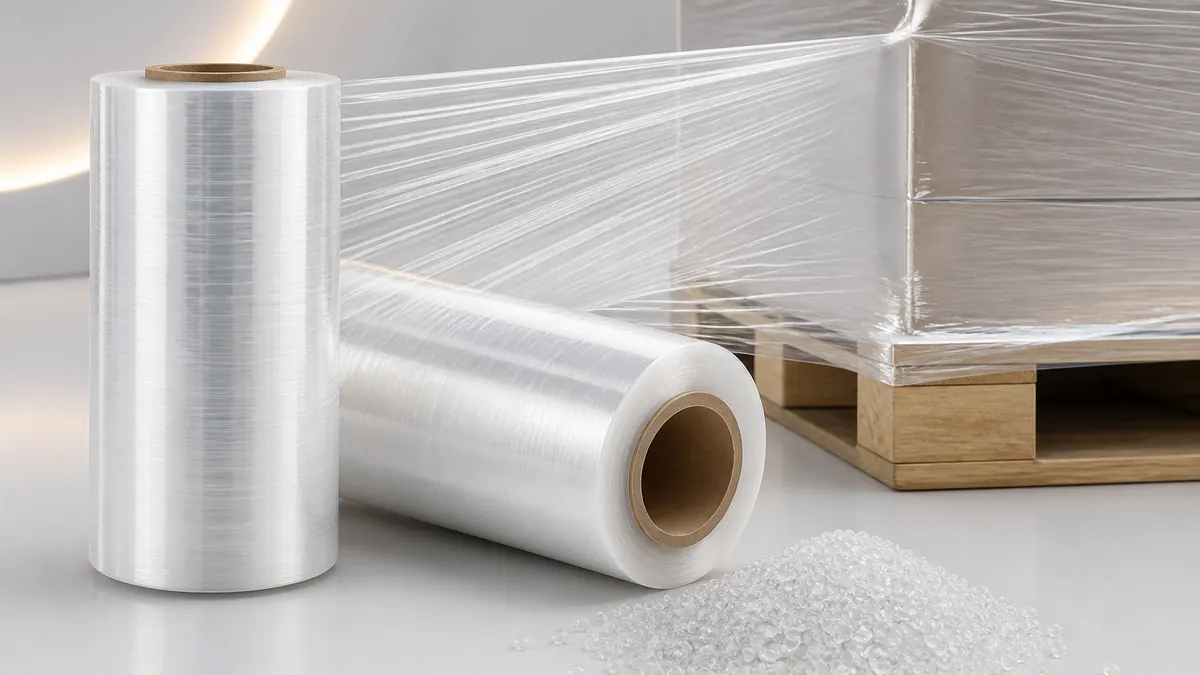
How do LDPE, LLDPE and HDPE compare?
| Requirement | LDPE | LLDPE | HDPE |
|---|---|---|---|
| Flexibility | High | High | Lower |
| Stiffness | Lower | Medium | High |
| Film toughness | Good | Very good | Application-dependent |
| Typical processing | Film, coating, moulding | Film, moulding | Blow moulding, injection, pipe extrusion |
| Common product type | Flexible | Flexible and tough | Rigid and durable |
This comparison is directional. Actual performance varies by grade, molecular design, additives and processing conditions.
What should you include in a polyethylene enquiry?
- Process: film extrusion, coating, moulding or pipe extrusion.
- Performance: stiffness, toughness, clarity, sealing and service conditions.
- Evidence: exact grade TDS, test conditions and required end-use declarations.
- Supply: quantity, packaging, delivery destination and required date.
For local sourcing, compare our LDPE, LLDPE and HDPE supply pages, then request the exact grade's TDS.
For example, ExxonMobil's LDPE product guide (October 2020) separates film, coating and moulding grades and their test conditions. It illustrates why a family name alone is not a specification; it is not a current stock list. Contact our Sharjah, UAE office for current producer documentation and delivery options, or choose your regional contact.
What is LDPE?
LDPE has a highly branched molecular structure that gives it flexibility, clarity and good melt processing characteristics. It is frequently selected when softness, sealability and ease of extrusion are important.
Common LDPE applications include:
- Flexible packaging and film
- Bags, liners and protective wrapping
- Extrusion coating
- Squeeze bottles and flexible containers
- Wire and cable applications
LDPE can be especially useful where a smooth processing window and reliable heat sealing are required. The exact grade should still be checked for melt flow, density, optical properties and additives.
What is LLDPE?
LLDPE combines a linear polymer backbone with controlled short-chain branching. It is widely used for film because it can provide strong puncture resistance, tensile performance and toughness while remaining flexible.
Typical LLDPE applications include:
- Stretch film
- Industrial liners
- Agricultural film
- Flexible packaging
- Heavy-duty sacks
- Rotational moulding applications
Converters may use LLDPE independently or blend it with LDPE to balance strength, sealing, optical performance and processability. C4 and other comonomer-based LLDPE grades can provide different performance profiles, so grade selection should be aligned with the finished product.
What is HDPE?
HDPE has a more linear structure and higher density than LDPE and LLDPE. This gives it greater stiffness, strength and chemical resistance, making it suitable for rigid and durable products.
Common HDPE applications include:
- Blow-moulded bottles and containers
- Caps and closures
- Crates and rigid packaging
- Pipes and fittings
- Household and industrial products
- Injection-moulded components
Important selection criteria can include environmental stress-crack resistance, impact strength, stiffness, melt flow and suitability for the intended processing technology.
Five questions to ask before selecting a grade
1. What must the finished product do?
Define the required stiffness, flexibility, impact resistance, clarity, seal strength and service environment. A material specification should begin with measurable product needs.
2. Which process will be used?
Film extrusion, blow moulding, injection moulding, pipe extrusion and rotational moulding require different melt-flow and processing characteristics. A grade designed for one process may not perform correctly in another.
3. Will the material be blended?
Many film structures use blends to achieve a balanced result. Discuss the full formulation, not only the primary resin, when requesting technical guidance.
4. Are there regulatory or application requirements?
Food-contact, hygiene, industrial and export applications may require specific documentation or compliance. Confirm requirements before ordering.
5. What supply and logistics support is needed?
The technically correct resin must also be available in the required volume, packaging and delivery schedule. Consistent sourcing can reduce qualification work and production interruptions.
Frequently asked questions
Can LDPE and LLDPE be blended?
Yes. Film converters may blend LDPE and LLDPE to balance processing, toughness, sealing and optical properties. The blend ratio must be qualified on the intended equipment and finished film; there is no universal ratio for every application.
Can an HDPE bottle grade be used for pipes?
Not automatically. Bottle and pipe grades have different processing and performance requirements. Check the exact grade's intended use, relevant pipe specification and qualification evidence before considering a substitution.
Is melt flow enough to select polyethylene?
No. Review melt flow together with its test conditions, density, additives, process suitability and required product performance. Similar melt-flow values do not establish that two grades are interchangeable.
Where can I obtain the current grade data sheet?
Use our TDS enquiry page and provide the producer, exact grade, application and delivery market. Request current documentation before qualification rather than relying on a general material-family comparison.
Source polyethylene with application-focused support
Multi Trade Group supports manufacturers and converters with access to a broad range of polyethylene materials, dependable global supply and responsive commercial coordination. Our team can help narrow the options based on your process, application, required volume and delivery market.
Explore our polymer and plastic resin portfolio, or contact our material specialists to discuss LDPE, LLDPE or HDPE requirements.